
Solutions for
insulin processing
Insulin production increasingly relies on high-throughput syringes and cartridge filling lines, with cartridges serving reusable and disposable delivery pens. At these output levels, filling capacity alone does not determine production performance.
Closures and reusable filling-line parts must be washed, sterilized, handled and delivered to the filling area at the required pace and under controlled aseptic conditions. If these upstream activities are managed as separate, disconnected operations, they can become a bottleneck while increasing equipment, transfers, manual handling and operating costs.
The challenge is therefore to keep both material streams continuously ready for filling without adding unnecessary process complexity or contamination interfaces.
Request more information
REDUCING COST WHILE PROTECTING ASEPTIC CONDITIONS
We coordinate the sterile preparation of the two material streams required by insulin vial and cartridge filling: closures and elastomeric components, as well as reusable filling-line parts.
Closures are washed, sterilized, dried and transferred through an integrated treatment system, while machine parts can be processed through dedicated GMP washing and steam sterilization or a combined washer-sterilizer.
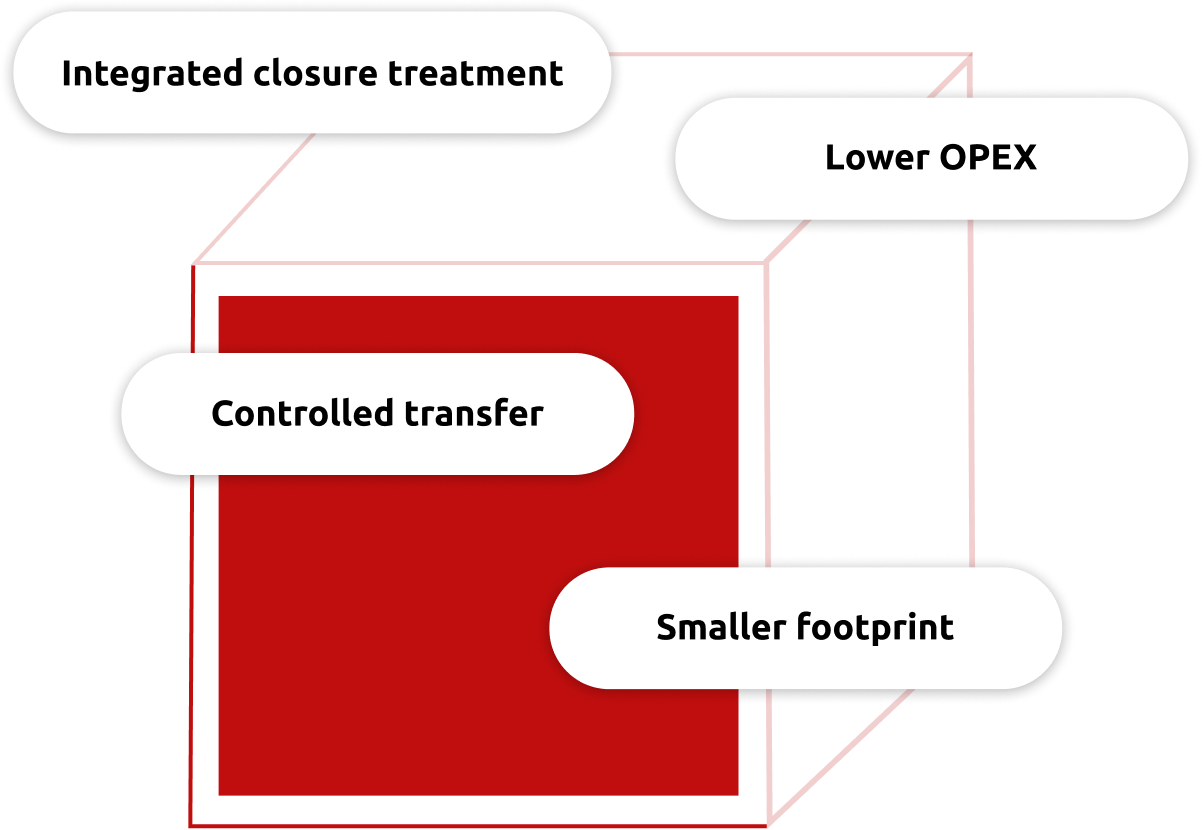
By configuring these technologies as one sterile supply strategy, Fedegari addresses the two priorities that matter most to insulin manufacturers: reducing operating and production costs and maintaining aseptic conditions throughout component handling. The resulting process architecture is configured around the actual filling line, reducing separate equipment, transfers and manual interfaces while providing the basis for a project-specific operating-cost assessment.
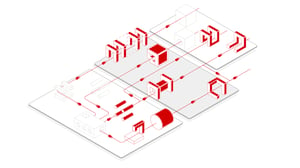
Reduced exposure, controlled connection to the barrier and readiness for closed or robotic reassembly.
Maintains treated bulk stoppers within a closed sterile environment during transfer from the washing and sterilization system to the automated manipulator.
Controlled loading, unloading, movement, connection and delivery to reduce exposure and avoidable manual intervention.
Steam sterilization for compatible reusable parts packaged in bags or canisters before protected or closed transfer.
Integrated washing and sterilization of bulk closures, followed by closed transfer in a sterile tank.
Reusable heat-sensitive parts whose material, geometry, packaging and microbial-reduction requirements support a validated low-temperature route.
Sealed RTU or pre-sterilized materials whose internal sterile state must be preserved while the outer packaging is treated before entry.
Compact layouts, fewer equipment interfaces, reduced classified-space demand or a single integrated route for compatible reusable loads.
Validated washing establishes the required cleanliness state for reusable product-contact, machine and format parts before downstream treatment.
When is a combined washer-sterilizer preferable to separate machines?
A combined system is attractive when reduced footprint, labour, handling and intermediate transfers create more value than the production flexibility of separate equipment. The choice should be based on load diversity, required capacity, cycle turnaround, utilities, maintenance strategy and production scheduling.
What is the advantage of integrated stopper and closure treatment?
It can combine washing, rinsing, sterilization, drying, cooling and controlled discharge while reducing intermediate machines, storage and handling. The value should be quantified against the actual closure volume, facility layout, transfer method, turnaround requirement and existing operating model.
Which components require treatment before insulin filling?
Depending on the final format, the flow can include vial stoppers, compatible cartridge elastomeric components and reusable filling-line or product-contact parts. Each family requires a validated cleaning, sterilization and transfer strategy developed around its material, geometry, load configuration and acceptance criteria.
How does pass-through equipment support contamination control?
Pass-through equipment creates a controlled boundary between preparation and classified areas, supports validated sterilization and reduces open transfers after treatment. It contributes to the site's Contamination Control Strategy, but compliance depends on the complete facility, operating procedures, qualification and process controls.
Can Fedegari guarantee payback below one year?
No universal payback should be promised. A result below one year may be possible depending on production volume, the existing process configuration and selected equipment scope. The expected return must be confirmed through a project-specific assessment of capacity, labour, utilities, consumables and current operating costs.
Why is insulin generally filled aseptically?
Conventional terminal heat sterilization can compromise insulin structure, potency and stability. Sterility therefore depends on sterile filtration, the controlled filling environment and the validated preparation and transfer of every closure and reusable product-contact component entering the aseptic process.