
Skip to content

Solutions for contact lenses

Contact lens manufacturing combines high-volume production, delicate ophthalmic products and increasingly sophisticated packaging concepts.

As manufacturers introduce ultra-thin blister formats, easy-peel packaging designs and fully automated production environments, terminal sterilization must ensure both sterility and packaging integrity throughout the entire process.

Request more information
Key advantages of Fedegari steam-air counterpressure sterilization for delicate contact lens blister packaging

BENEFITS.

As contact lens products, packaging concepts and manufacturing strategies evolve, sterilization must continue to deliver the same predictable outcome.

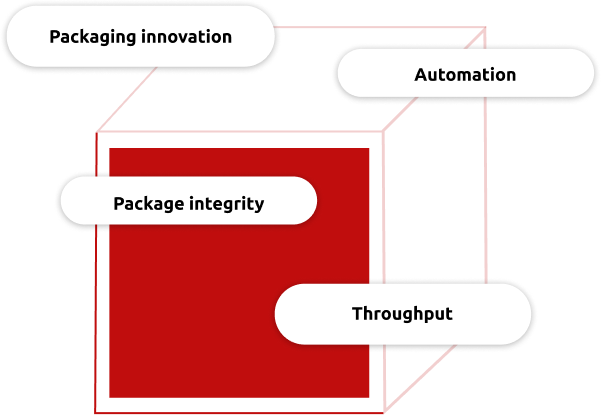
We combine sterilization technologies, handling technologies and automation capabilities into a single process platform, helping manufacturers introduce new packaging designs, increase production throughput and expand automation without compromising process integrity.

The result is greater freedom to develop new packaging concepts, scale production and evolve manufacturing operations without sterilization becoming a limiting factor.

• Bring new packaging designs into production with confidence. 
• Increase production throughput through high-density load configurations. 
• Protect packaging integrity while enabling increasingly delicate blister designs. 
• Scale production without sterilization becoming a constraint

CONTACT LENS STERILE MANUFACTURING

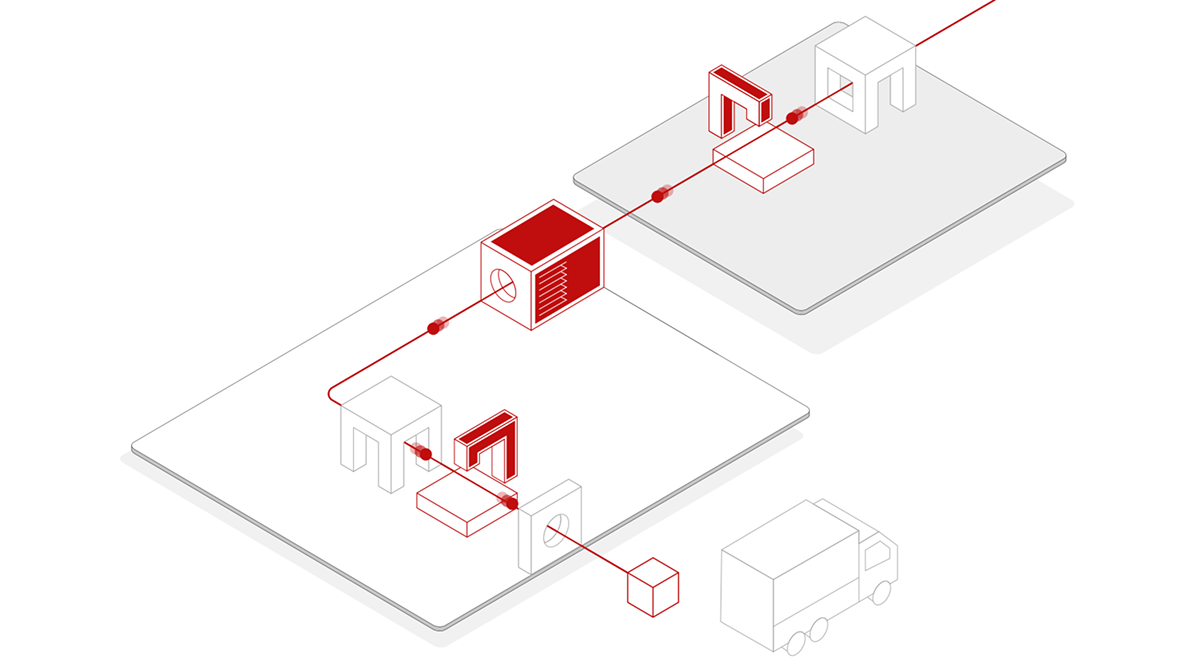
Automated production line diagram showing robotic loading, steam-air terminal sterilization, and outfeed for contact lenses

FEDEGARI SOLUTIONS FOR CONTACT LENSES PRODUCTION

APPLICATION NUMBERS
Characteristics of Advanced Contact Lens Production

1 mm
packaging thickness

60,000+
lenses per cycle

0
seal failures across billions of lenses produced over 20 years & operator contact from molding to secondary packaging

5-7 N
seal strength managed

0
packaging thickness

FREQUENTLY ASKED QUESTIONS

How are contact lenses terminally sterilized without damaging the blister?

Contact lenses are terminally sterilized inside their sealed primary package. A steam-air cycle controls temperature and chamber pressure separately, applying counterpressure as internal package pressure changes. This limits the differential across the seal during heating and cooling while delivering the required thermal treatment.

Why is steam-air preferred to pure saturated steam for delicate blisters?

Pure saturated-steam pressure is determined by temperature and therefore cannot be adjusted independently. Adding compressed air allows total chamber pressure to be controlled separately from steam temperature, providing the counterpressure required to protect thin, sealed or easy-peel blister formats.

What is the role of Dalton’s Law?

Dalton’s Law states that total chamber pressure is the sum of the partial pressures of steam and air. It provides the physical basis for controlling the chamber atmosphere; package protection then depends on managing the differential between chamber pressure and the changing internal pressure of the blister.

How can a laboratory process be transferred to industrial production?

Proof-of-principle studies establish package behaviour, critical pressure profiles and load configuration under controlled laboratory conditions. Applying the same sterilization principles and control philosophy to the industrial FOA system supports reproducible transfer from development to commercial-scale production.

Can sterilization be integrated into a fully automated line?

Robotic infeed and outfeed can move magazines from primary packaging through the sterilizer and onward to secondary packaging without extracting or manually touching the product. A pass-through, two-door configuration can also maintain separation between the processing zones on either side of the chamber.

How are high-density contact lens loads managed?

Closely spaced packs can restrict circulation around the load and create more demanding heat-transfer conditions. Dedicated magazines, trays and trolleys maintain defined spacing, orientation and stability, so the validated load geometry can be reproduced from cycle to cycle at industrial throughput.

Knowledge Hub Regulatory

Aseptic Transfer: The fragile points of sterility Where process design determines whether sterility holds - or fails

Read this article

Immagine aseptic Transfer-2

Customer so closer is not a promise of proximity
It is a way of working.

A global network designed to keep Fedegari close to the customer, close to the process and close to the decisions that make sterile manufacturing safer, more reliable and more valuable over time.